Getting Started with Scuba Diving
Disclosure: This post may contain affiliate links, meaning we get a commission if you decide to make a purchase through our links, at no extra cost to you. #ad
Are your weekends feeling a bit… blah lately? There’s this thing called scuba diving that might blow your mind. Seriously, imagine breathing underwater and exploring a whole new world! It’s a game-changer.
So you’re probably thinking, “Alright, that sounds awesome, but how the heck do I do this?” Don’t worry – getting certified sounds way more intimidating than it is. Even if you’ve never been underwater with anything more than pool goggles, you’re good to go.
Getting Started with Scuba Certification
Most people jump into learning with something like PADI Open Water, though SSI and NAUI work just as well. (Explanations below) Here’s the deal:
You start with online stuff. Yeah, I know, more screen time, but you’re learning how not to die underwater and how your gear works. Plus some physics that sounds scary but is pretty common sense once you get it. You can knock this out in your pajamas with a cup of coffee.
Then you hit the pool with an instructor. This part’s fun because you finally get to mess around with all the gear instead of just reading about it. The pool thing is genius because you can screw up without any real consequences – like, what’s the worst that happens, you surface in 4 feet of water?
The money part is the real dive. Four dives over two days, usually somewhere local – could be a lake that looks like chocolate milk, some random quarry, or if you’re lucky, actual ocean. This is when you realize you’re not just playing around anymore, you’re actually scuba diving like those people on TV.
Oh, and here’s a neat trick: some dive centers offer a “referral program”. That means you can do all the classroom and pool training near home, then jet off on vacation and finish your certification dives somewhere warm and sunny! How cool is that?
So How Much Does the Scuba Course Cost?
“How long does all this take?” Most people wrap up the entire course in about 3 to 4 days. If you’re squeezing it in around work or other commitments, give yourself a weekend or two.
Now for the big question: “What’s it going to cost me?” It will cost somewhere between $500 and $1,000 for the full certification course. That usually covers all your training, renting the gear, instructor fees, and pool access. If you see a significantly cheaper price, be sure to ask for more details. Sometimes programs cut corners or hit you with extra charges for gear later.
Essential Swim Skills for Your First Scuba Adventure
“Do I need to be some kind of Olympic swimmer?” Nope, not at all! You don’t even need to be a super athlete. You do need some basic swimming ability, though. They will usually want you to swim 200 meters and float for 10 minutes. You’ll need to complete a health form for any medical issues, and if you have a significant health condition a doctor may need to sign off.
“What if I’m not a strong swimmer?” This is a common question. While you don’t need to be an Olympic-level swimmer, you do need to feel at ease in the water. Many scuba dive centers offer “Try Scuba” sessions as a way to try out the gear in shallow water and see how it feels before you commit to the full course.
What Happens in Your First Scuba Diving Lesson
When you get to your first class, your instructor will walk you through everything step-by-step. You’ll learn how to use the gear, how to breathe through a regulator, how to equalize your ears (super important!), and how to deal with water in your mask. It’s very hands-on, supportive, and usually done in small groups. Your instructor will make sure you feel totally comfortable before moving on.
As for gear, most dive schools provide everything you’ll need for your course: mask, fins, wetsuit, BCD (Buoyancy Control Device), regulator, and tank. If you plan on diving regularly, you might eventually want to get your own mask and snorkel – comfort and fit make a big difference there.
How to Find the Best Local Scuba Diving School
When you’re picking a dive center, start by searching for “scuba diving schools near me.” Then, look for places that consistently have good reviews from other beginners, hold official PADI, SSI, or NAUI credentials, and offer small class sizes with flexible scheduling that fits your life.
Once you’ve narrowed it down, make sure to actually go to the dive center and ask questions. This is your hard-earned money and, more importantly, your safety we’re talking about, so you absolutely should feel confident that you’re choosing the right training center. Don’t hesitate to inquire about instructor experience, what’s included in the course fee, the condition of their rental gear, and their safety protocols. Seeing the facility and talking to the staff in person can give you a much better feel for the environment and help you make a truly informed decision.
The Incredible Benefits of Learning to Scuba Dive
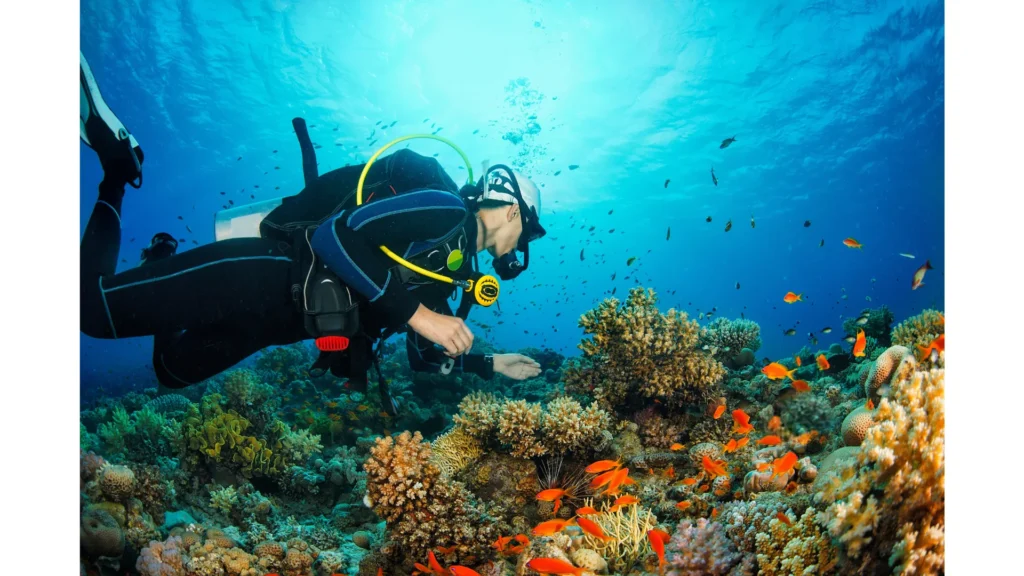
Why go through all this? Well, once you’re certified, travel seriously becomes a hundred times cooler – imagine exploring vibrant underwater coral gardens! You also become part of this awesome global community of divers. Plus, it’s a full-body workout you will barely notice, and it’s incredibly peaceful and focused. Think of it like meditation, but underwater.
Beyond the cool travel and physical benefits, scuba diving offers a truly unique kind of personal growth. There’s an incredible sense of accomplishment that comes with mastering new skills and navigating a completely different environment. You’ll gain a deeper appreciation for marine life and the health of our oceans, and for many, the quiet, almost weightless experience underwater is the ultimate escape from daily stress, offering a profound sense of calm and presence you won’t find anywhere else.
Essential Scuba Safety Rules for New Divers
Just a few important safety tips for beginners: Never dive alone, always do your pre-dive checks, stay within your training limits, equalize your ears early and often, and seriously, never ever hold your breath underwater.
The bottom line is, scuba diving isn’t just for thrill-seekers or people who live by the ocean. It’s for anyone ready to experience the world in a totally new way. Your weekends will never be the same, and trust me, your future self is going to thank you big time!
- Cressi Diving Mask #ad
- Cressi Full Face Diving Mask #ad
- Scuba Fins #ad
PADI (Professional Association of Diving Instructors) is the world’s largest and most recognized recreational diver training organization, often seen as the global standard for learning to scuba dive. They provide standardized courses like the Open Water Diver certification, used by dive centers worldwide, and are committed to ocean conservation.
SSI (Scuba Schools International) is another major and globally recognized diver training organization, known for its flexible, instructor-led training that adapts to individual student needs. They emphasize digital learning through their app and offer comprehensive programs for scuba, freediving, and more.
NAUI (National Association of Underwater Instructors) is a highly respected non-profit organization focused on “Dive Safety Through Education.” They grant instructors significant academic freedom to tailor teaching, which is valued for producing knowledgeable and self-reliant divers, even influencing training for groups like the U.S. Navy SEALs.